Heavy winter rain isn’t just water , it’s a test.
After a wet week, your garden is full of clues about soil health, plant resilience, and future problem areas.
Here’s how to “read” your garden after the rain, and make smart, minimal adjustments to help it thrive.
1. Water Pooling = Drainage Map
Notice any puddles that don’t disappear after 24–48 hours?
That’s your garden telling you:
“I’m struggling to breathe here.” Poor drainage areas might need:
-
Slight soil elevation (use compost or sandy loam)
-
Redirection of excess water with shallow trenches
-
Raised beds for more sensitive plants in spring
Tip: Take a photo right after rain : it helps track recurring problem zones over time.
2. Leaf Color = Root Conditions
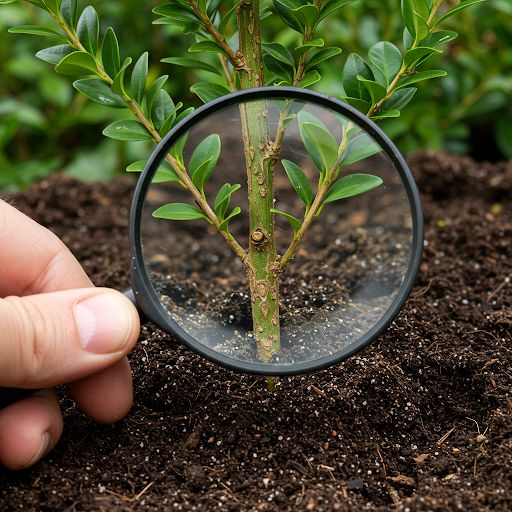
Are some plants showing yellowing leaves or black spots near the base?
That often signals overly wet roots, or early signs of rot.
What to do:
-
Remove fallen/wet leaves around the base
-
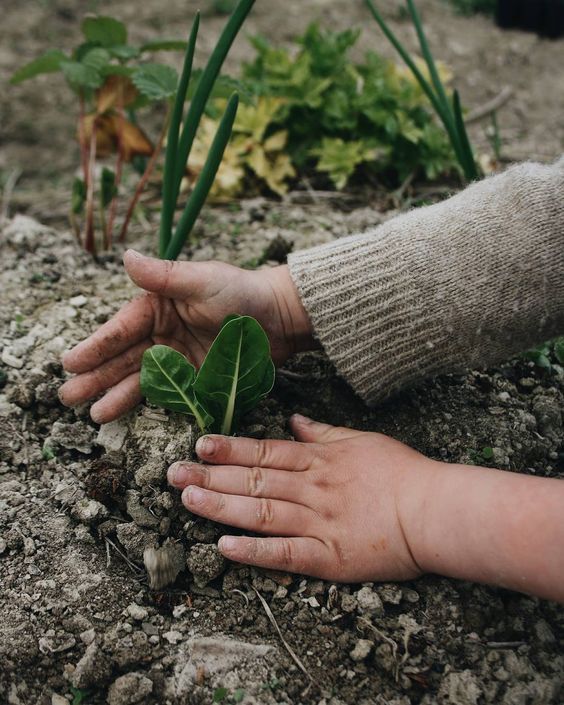
Gently loosen the topsoil (no deep digging)
-
Hold off on watering until the ground dries naturally
3. Increased Slug & Snail Activity
Rain wakes up slugs and snails , especially if your garden has lots of shade and mulch.
Look for fresh trails, chewed leaves, or hiding spots under pots.
Prevention ideas:
-
Use copper rings or crushed eggshells around sensitive plants
-
Elevate containers slightly off the ground
-
Place a few citrus peels as decoys, then remove them in the morning
What You Can Do After the Rain
After reading the signs your garden gives you, here are 4 quick things you can do this week to keep your soil healthy and your plants strong:
-
Do a quick garden walk to identify puddles, soft soil, or unusual plant stress.
-
Aerate gently in soggy spots with a fork let air back in.
-
Add light mulch or compost where needed to protect and improve structure.
-
Take notes or photos your spring garden planning starts now.
These small actions take less than 30 minutes and can prevent root damage, poor growth, or disease when spring arrives.
Final Thought: Observation = Prevention
The best gardeners don’t just react, they observe.
Rain doesn’t just feed your garden, it reveals what’s working… and what’s not.
Take 10 quiet minutes after the next downpour.
Look, listen, and learn from your soil : it’s the best winter training you’ll ever get.
Need help reading your garden’s signals or preparing it for a stronger spring? Contact us here, we’re here to help !