
Healthy gardens start below the surface. Waikato soils can be wonderfully fertile, but they also have quirks ,heavy clays that puddle in winter, sandy river flats that dry quickly, and pockets of loam that reward steady care. This practical guide walks you through identifying your soil, quick at-home tests, targeted fixes, and seasonal care so your beds in Morrinsville, Te Aroha and Matamata perform at their best.
Why soil matters in the Waikato
Soil stores water and nutrients, anchors roots and hosts the microbes that make nutrients available to plants. Because Waikato’s seasons swing from wet winters to warm, sometimes dry summers, keeping good soil structure and plenty of organic matter is the single most effective way to improve plant health and reduce pest and disease pressure.
Common soil types you’ll find (and their challenges)
-
Heavy clay: High fertility but slow-draining and prone to compaction. Roots can struggle when the soil is waterlogged.
-
Sandy / free-draining soils: Warm and quick to dry; nutrients leach out fast and water retention is low.
-
Loam / silt: The gardener’s sweet spot balanced texture and fertility if maintained with organic inputs.
Quick, reliable tests you can do at home
-
Jar (texture) test: Put a soil sample in a clear jar, fill with water, shake well and let it settle for 24 hours. Sand settles first, silt next, clay last. Estimate the proportions to understand texture.
-
pH test: Use a simple kit or meter from your local garden centre. Most vegetables prefer pH 6.0–7.0; blueberries and some natives prefer more acidic soils.
-
Drainage test: Dig a 30 cm hole, fill it with water, and time how long it drains. If it takes more than a few hours, drainage is slow.
-
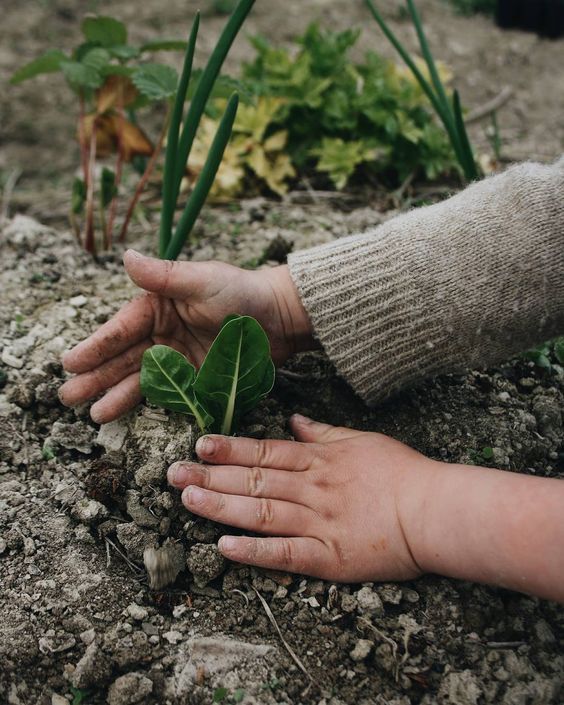
Life & structure check: Healthy soil crumbles easily, has visible roots and plenty of worms. Hard clods and few critters mean the soil needs attention.
Targeted fixes : what to do for each soil type
Improving clay
-
Add lots of well-rotted compost and mature manure to build crumbly structure.
-
Avoid working when wet : digging or tilling soggy clay smears and destroys structure. Work it when it’s just moist.
-
Consider gypsum in stubborn areas after checking product guidance : it can help certain clays improve structure.
-
Use raised beds or mounding to get roots above the wettest layers.
Improving sandy soil
-
Increase organic matter with compost, leaf mould and green manures to improve moisture and nutrient retention.
-
Mulch heavily (5–8 cm) to reduce evaporation and temperature swings.
-
Feed little and often so nutrients aren’t washed away.
Caring for loam
-
Maintain fertility with seasonal top-dressing of compost, regular mulching and crop rotation. Loam performs best when kept biologically active.
Long-term soil health: simple habits that pay off
-
Top-dress with compost each spring and autumn (2–5 cm): this slowly builds organic matter and feeds microbial life.
-
Plant green manures / cover crops (clover, vetch, lupins, mustard) on empty beds to protect soil and add biomass legumes fix nitrogen for the next crop.
-
Rotate crops to prevent nutrient depletion and reduce disease build-up. Alternate heavy feeders (potatoes, brassicas) with lighter feeders or legumes.
-
Adopt a no-dig or low-till approach where practical. Surface mulches preserve fungal networks and earthworms.
-
Avoid compaction: define paths, keep heavy equipment off beds and aerate compacted areas in a dry window.
Water, drainage and compaction
-
Wet winters: build stable aggregates with organic matter, use raised beds and consider shallow drains where necessary. Fork or broadfork in a dry spell rather than stomping on beds.
-
Dry summers: use drip irrigation or soaker hoses under mulch to keep root zones moist while keeping foliage dry (reduces disease).
-
Traffic control: compaction is a silent yield-killer : create firm paths and never walk on wet beds.
Local materials and timing
-
Use local composts and well-rotted manures : they’re often best adapted to regional conditions. Ask local suppliers in Morrinsville, Te Aroha and Matamata for recommendations.
-
Woodchip and leaf mould from council or tree services are cheap and effective for pathways and long-term soil building.
-
Timing tip: add bulk organic matter in autumn to let soil biology break it down over winter; sow green manures late summer–early autumn so roots protect the soil through winter.
Quick troubleshooting
-
Yellow leaves despite feeding? Check pH and drainage : nutrients can be locked up by wrong pH or waterlogged roots.
-
Poor root growth or stunted plants? Low organic matter or compaction is likely, add compost and avoid walking on beds.
-
More slugs after mulching? Keep mulch a few centimetres away from stems and maintain tidy borders; traps or baiting may be needed.
Soil-care checklist (copy for your garden notebook)
-
Do a jar texture test and pH test this season.
-
Top-dress beds with 2–5 cm compost in autumn and spring.
-
Mulch all beds (renew 1–2×/year).
-
Sow a winter cover crop on any bare bed.
-
Rotate crops and favour no-dig beds.
-
Aerate compacted zones in a dry period.
-
Keep a log of amendments and crop performance.
FAQ
Q: How often should I test my soil pH?
A: Once every 2–3 years is enough for most gardens, or sooner if plants show nutrient deficiency or sudden yellowing. Test more often if you are actively amending pH.
Q: Will adding compost always fix clay?
A: Compost greatly improves clay over time, but it’s a gradual process. Combined with good drainage, raised beds and avoiding wet-soil tilling, compost will make clay workable and healthier within a few seasons.
Q: Can I overdo organic matter?
A: It’s rare to “overdo” good compost, but very fresh manure or uncomposted materials can burn plants or tie up nitrogen. Use well-rotted inputs and avoid extremely thick fresh layers against stems.
Q: Are chemical soil conditioners necessary?
A: Most home gardens do well with organic approaches (compost, mulches, green manures). Products like gypsum can help specific clay problems : use them only after diagnosing the issue.
Q: What’s the best way to deal with waterlogging?
A: Improve surface drainage with raised beds and organic matter, create shallow drains if necessary, and avoid compaction. Planting water-tolerant species in soggy spots can also make the area more productive.
Q: How long until I see improvement after adding compost?
A: Some benefits (better structure, more worms) can be seen in months; substantial changes in water retention and fertility often take a season or two of consistent inputs.
Ready to improve your soil?
If your garden is struggling with heavy clay, sandy patches, or tired soil, you don’t have to tackle it alone. Kerepark Lawns and Gardens can help you improve or even replace poor-quality soil, setting up your garden for long-term success.
👉 Contact Kerepark Lawns and Gardens today and let’s get your soil and your garden thriving.